.png?width=220&height=28&name=Medical%20Avenue_LOGO%20(1).png "Medical Avenue_LOGO (1)")
How to Book Plastic Surgery in Korea in 8 Steps (2026)

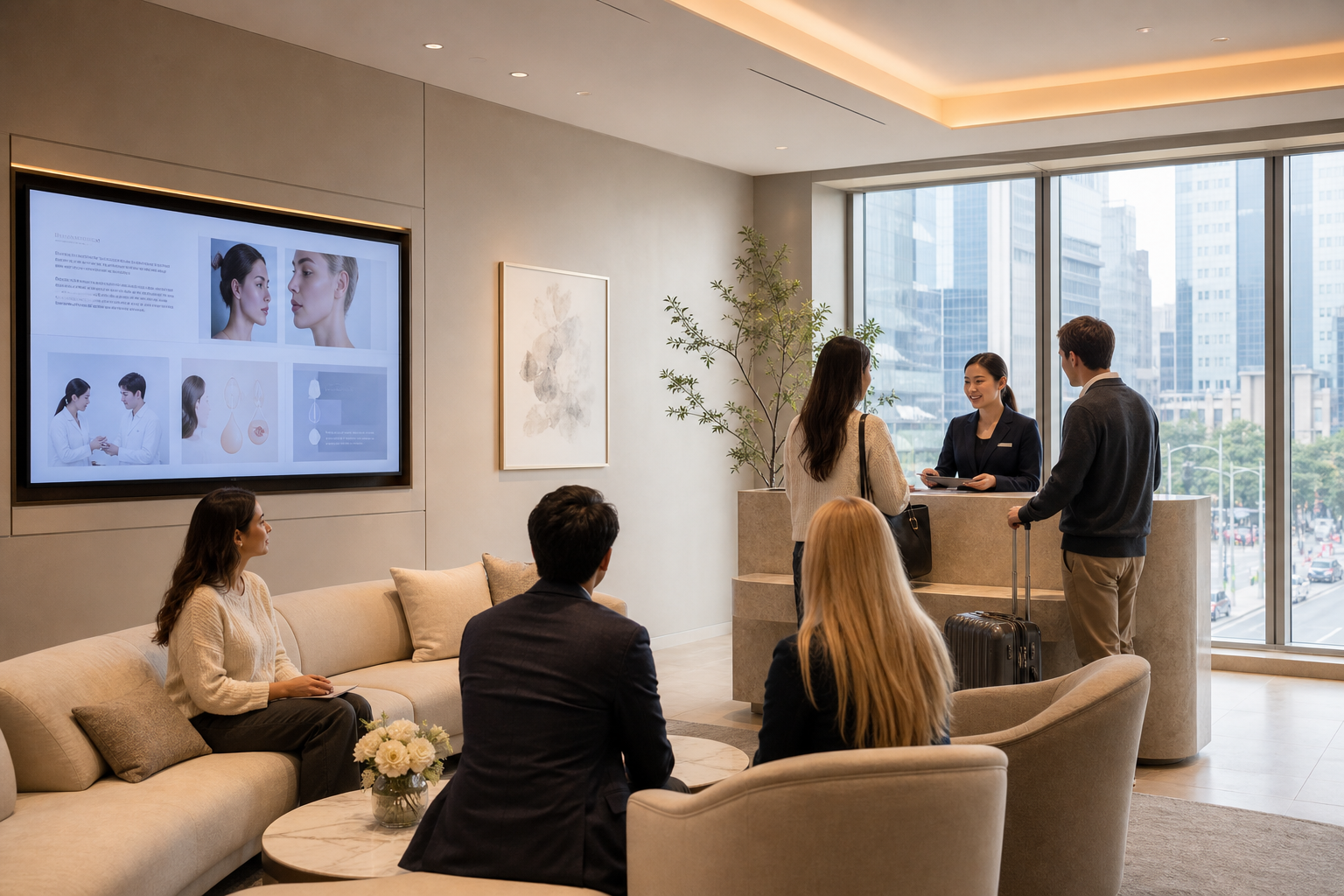
Quick Guide: How to Book Plastic Surgery in Korea in 8 Easy Steps
- Research Korean Plastic Surgery Clinics – Compare board-certified surgeons and accredited facilities to find the right match for your goals.
- Submit an Online Consultation Request – Share your photos, medical history, and aesthetic objectives with your chosen clinic or coordinator.
- Review Your Treatment Plan and Quotation – Medical Avenue delivers transparent pricing so you can plan your budget with confidence.
- Secure Your Surgery Slot and Submit a Deposit – Lock in your preferred surgical dates by paying the required clinic deposit and confirming your official medical itinerary.
- Arrange Travel and Accommodation – Book flights, apply for K-ETA or a medical visa, and reserve recovery-friendly lodging.
- Complete Pre-Operative Requirements – Complete your pre-surgery tests, submit any required medical records, and follow fasting and medication guidelines before your procedure.
- Attend Your In-Person Consultation and Surgery – Meet your surgeon, finalize the surgical plan, and proceed with your procedure.
- Recover and Attend Follow-Up Appointments – Stay for suture removal, swelling-reduction therapies, and clearance to fly home.
How to Book Plastic Surgery in South Korea as an International Patient
1. Research Korean Plastic Surgery Clinics
Your first step is identifying clinics that specialize in your desired procedure. South Korea is home to thousands of plastic surgery centers, but quality varies significantly. Focus on board-certified surgeons with government-verified credentials and a proven track record in your specific treatment area.
Check whether the clinic holds JCI accreditation or Korean government certification. Read patient testimonials and before-and-after galleries to evaluate consistency in results. Pay attention to whether the facility offers dedicated services for international patients, including translation support and post-operative care coordination.
Avoid clinics that rely heavily on aggressive marketing or offer unusually low prices. These may operate high-volume "factory" models where multiple surgeries happen simultaneously under different physicians.
2. Submit an Online Consultation Request
Once you have shortlisted clinics, reach out for an online consultation. Most reputable Korean clinics and medical coordinators offer this service via email, WhatsApp, or KakaoTalk. You will need to submit clear, unfiltered photos of the areas you want to address, along with your medical history and aesthetic goals.
Be specific about what you want to change. Vague requests like "make me look better" make it difficult for surgeons to recommend appropriate treatments. If you have reference images showing your desired outcome, include those as well.
After reviewing your submission, the clinic will recommend suitable procedures and share preliminary pricing. This stage helps you understand whether your expectations align with what is medically achievable.
Ready to see what is medically achievable for you?
3. Review Your Treatment Plan and Quotation
A detailed treatment plan should outline the recommended procedures, the surgeon performing them, estimated surgery duration, and expected recovery timeline. The quotation should itemize all costs, including consultation fees, surgical fees, anesthesia, and any post-operative treatments.
Ask about what is included in the quoted price. Some clinics bundle pre-operative tests and follow-up appointments, while others charge separately. Clarify payment methods accepted, such as wire transfer, credit card, or services like PayPal and Wise.
Compare quotations from multiple sources if you are undecided. However, prioritize surgeon qualifications and clinic reputation over price alone.
4. Secure Your Surgery Slot and Submit a Deposit
Once you are satisfied with your customized treatment plan and quotation, the next crucial step is officially locking in your surgery date. South Korea's premier board-certified surgeons have highly competitive schedules, and availability can fill up months in advance, especially during peak travel seasons.
To guarantee your preferred date, clinics require a booking deposit. This typically ranges from 10% to 20% of the total estimated surgical cost. Be sure to use secure, traceable payment methods such as international wire transfers, major credit cards, or verified platforms like Wise.
Upon receiving your deposit, the clinic or your medical concierge will issue an official booking confirmation letter and a finalized medical itinerary. You will need these documents in hand before moving on to booking your flights and applying for your medical visa.
Don't lose your preferred dates to international wire delays.
Let Medical Avenue handle your deposit securely and lock in your VIP surgery slot today.
5. Arrange Travel and Accommodation
Most international patients arrive at Incheon International Airport. Citizens of many countries can enter South Korea visa-free for short stays but must register for K-ETA (Korea Electronic Travel Authorization) before departure. The application costs 10,000 KRW and can be completed online at the official K-ETA website.
For longer treatment plans or specific medical purposes, you may need a medical visa. Check the Korean embassy website for your country to confirm entry requirements.
Book accommodation near your clinic, ideally in the Gangnam area where most plastic surgery centers are located. Choose recovery-friendly lodging with elevator access, room service, and proximity to pharmacies. Many coordinators can recommend or arrange suitable hotels.
6. Complete Pre-Operative Requirements
Korean clinics conduct thorough pre-operative screenings to ensure you are fit for surgery. These typically include blood tests, chest X-rays, EKG readings, and in some cases, CT scans for procedures like rhinoplasty or facial contouring.
Most screenings happen one to two days before your scheduled surgery. Results are reviewed by the anesthesiologist and surgical team before proceeding.
You will also need to follow pre-surgical guidelines. Stop taking blood-thinning supplements like Vitamin E, ginseng, and omega-3 fatty acids at least 14 days before your procedure. On surgery day, follow the fasting instructions, typically nothing to eat or drink for eight hours beforehand.
7. Attend Your In-Person Consultation and Surgery
On consultation day, you will meet your surgeon face-to-face for a detailed examination. The doctor will assess your anatomy, discuss realistic outcomes, and finalize the surgical plan. Bring reference photos and a list of questions to make the most of this session.
Before surgery, you will sign consent forms after the surgical team explains the procedure and potential risks. A bilingual coordinator or interpreter should be present to ensure you fully understand every document.
During surgery, a board-certified anesthesiologist monitors your vital signs and manages sedation. Confirm beforehand that your clinic has an on-site anesthesiologist, as this is a critical safety standard.
8. Recover and Attend Follow-Up Appointments
Post-operative care is essential for achieving optimal results. Plan to stay in Korea for at least seven to ten days after surgery for suture removal and initial recovery monitoring. Your surgeon will schedule daily or every-other-day check-ups during this period.
Follow all post-operative instructions regarding wound care, medications, and activity restrictions. Many clinics offer additional services like anti-swelling treatments and laser therapy to accelerate healing.
Before flying home, you will receive a "fit to fly" clearance from your medical team. This assessment confirms that cabin pressure will not adversely affect your surgical sites. Keep your coordinator's contact information handy for any questions that arise after you return home.
What documents do I need for plastic surgery in Korea?
You will need a valid passport with at least six months of remaining validity. Most visitors require K-ETA registration, which you can complete online before departure. If your treatment plan extends beyond the visa-free period, apply for a medical visa (C-3-M or G-1-10) through your local Korean embassy.
Bring copies of any relevant medical records, including previous surgical history, current medications, and allergy information. If you have diagnostic imaging or lab results from your home country, these can help expedite your pre-operative screening in Korea.
Keep digital and physical copies of your clinic booking confirmation, hotel reservation, and travel itinerary. Having these documents readily accessible makes airport immigration and hospital check-in smoother.
How long should I stay in Korea after plastic surgery?
The recommended stay depends on your procedure. For most surgeries, plan to remain in Korea for at least seven to fourteen days. Suture removal typically occurs five to seven days post-surgery, and your surgeon will want to monitor your initial healing before clearing you to travel.
More extensive procedures like facial bone contouring or combined surgeries may require three to four weeks for adequate recovery. During this time, you will attend multiple follow-up appointments and potentially receive supplementary treatments to reduce swelling.
Even after returning home, expect a recovery period of several months before seeing final results. Most clinics offer virtual follow-up consultations to track your progress and address any concerns remotely.
How Medical Avenue Helps You Book Plastic Surgery in Korea
Medical Avenue simplifies the entire booking journey for international patients. From your initial inquiry, our team matches you with board-certified surgeons who specialize in your desired procedure. You receive transparent quotations with no hidden fees or "foreigner taxes."
Once you confirm your treatment, Medical Avenue handles priority scheduling, visa guidance, and luxury accommodation arrangements. Upon arrival in Seoul, you are greeted with private airport transfers and assigned a dedicated bilingual concierge who accompanies you to every medical appointment.
After surgery, Medical Avenue coordinates your follow-up care, swelling-reduction therapies, and final clearance assessment. Our support continues until you are safely home and satisfied with your results.
Skip the stress of planning alone.
Contact Medical Avenue today for a free consultation and let our experts design your flawless medical journey.
FAQs about How to Book Plastic Surgery in Korea
Do I need to speak Korean to get plastic surgery in Korea?
No, you do not need to speak Korean. Reputable clinics and coordinators like Medical Avenue assign bilingual consultants who handle all communication between you and your medical team. Medical Avenue ensures your goals are accurately translated to your surgeon and that you understand every instruction for your recovery.
How far in advance should I book my surgery in Korea?
Booking two to three months ahead is recommended, especially for popular surgeons or peak travel seasons. This timeline allows sufficient time for online consultations, document preparation, and travel arrangements. Medical Avenue secures priority scheduling to help you get your preferred dates.
Is plastic surgery in Korea safe for international patients?
Yes, when you choose accredited clinics with board-certified surgeons. South Korea has strict government regulations for hygiene and medical practice standards. Medical Avenue partners exclusively with clinics that maintain flawless safety records and hold official certifications.
What payment methods do Korean plastic surgery clinics accept?
Most clinics accept international wire transfers, major credit cards, and payment services like Wise. Deposits are typically required to secure your surgery slot, with the balance due before or on the day of your procedure. Medical Avenue coordinates all payment details for a smooth transaction.
Can I combine multiple procedures during one trip to Korea?
Yes, many patients combine procedures to minimize travel and recovery time. Common combinations include rhinoplasty with facial contouring or breast augmentation with liposuction. Your surgeon will assess whether combining procedures is safe based on your health and the complexity involved. Medical Avenue helps you plan comprehensive treatment itineraries.
What happens if I experience complications after returning home?
Quality clinics offer virtual follow-up support for international patients. You can share photos and discuss concerns with your surgical team remotely. Medical Avenue remains available to coordinate any additional guidance or, if necessary, arrange a return visit. Having a local physician review your recovery is also advisable for immediate concerns.
Still have questions about traveling to Seoul for surgery?
Chat instantly with our bilingual concierge team for personalized answers.